
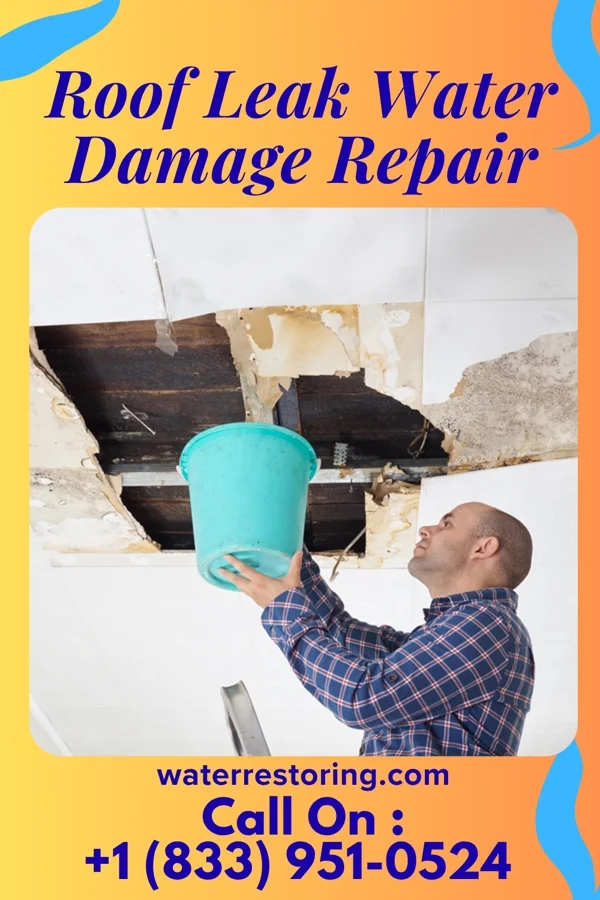
When Allentown Properties Need Roof Leak Repair
Water damage in Allentown usually starts with Allentown, Florida experiences frequent thunderstorms and heavy rainfall, which can quickly lead to roof leaks and water damage. The region's warm and humid climate increases the risk of prolonged moisture exposure, especially during the summer months. Sudden downpours are common, often catching homeowners off guard and leading to immediate water intrusion.. A close second is The area is also prone to high winds that can damage roofing materials, creating entry points for water. Humidity levels remain consistently high throughout the year, contributing to mold growth and further water damage risks. These conditions make timely roof leak repairs essential to prevent long-term structural issues.. Professional restoration follows the IICRC protocol on every job. Assess. Extract. Dry. Sanitize. Document.
The warm, humid climate of Allentown leads to rapid moisture accumulation on roofing surfaces, increasing the risk of water damage and mold growth. Prolonged exposure to rain and humidity can weaken roofing materials and lead to structural issues if not addressed promptly.
Water damage in Allentown follows a few local patterns. Allentown, Florida experiences frequent thunderstorms and heavy rainfall, which can quickly lead to roof leaks and water damage. The region's warm and humid climate increases the risk of prolonged moisture exposure, especially during the summer months. Sudden downpours are common, often catching homeowners off guard and leading to immediate water intrusion. accounts for the bulk of our calls. The warm, humid climate of Allentown leads to rapid moisture accumulation on roofing surfaces, increasing the risk of water damage and mold growth. Prolonged exposure to rain and humidity can weaken roofing materials and lead to structural issues if not addressed promptly. In Allentown, mold can begin to grow within 48 hours of water intrusion, especially in the humid climate. This rapid mold development can lead to secondary damage such as wood rot, structural weakening, and health risks for residents.
For public guidance on the health effects of mold after prolonged water exposure, see the EPA mold and health page.